Orthodox Christmas 2026 Explained: When, How, and Why It’s Celebrated Differently
Why Orthodox Christmas 2026 Feels Like a Different Holiday
Ever wondered why Orthodox Christmas isn’t celebrated on December 25 like the rest of the world? It’s not just a calendar quirk—it’s a story of history, faith, and tradition that’s stubbornly held onto its own time slot.
This year, Orthodox Christmas falls on January 7, 2026. But why? Let’s unpack the reasons and what you’ll see happening around the globe.
📌 Quick Summary: Orthodox Christmas 2026 lands on January 7 due to the Julian calendar’s use by many Orthodox churches. This date keeps alive ancient traditions and distinct cultural celebrations that differ from the Western Christmas.

The Calendar Clash: Julian vs. Gregorian
Here’s the deal: The Orthodox Church sticks to the Julian calendar, which is currently 13 days behind the Gregorian calendar most of the world uses.
Gregorian calendar reform happened in 1582, but many Orthodox churches never switched. So, December 25 on the Julian calendar actually falls on January 7 Gregorian. Confusing? Absolutely. But it’s also a powerful symbol of holding onto roots.
Why Does This Matter?
Because the calendar determines the date of the big celebration, it directly impacts how and when Orthodox Christians prepare, fast, and feast.
For example, the Nativity Fast, a 40-day period leading up to the feast, starts on November 28 (Julian calendar), aligning perfectly with this January 7 celebration.

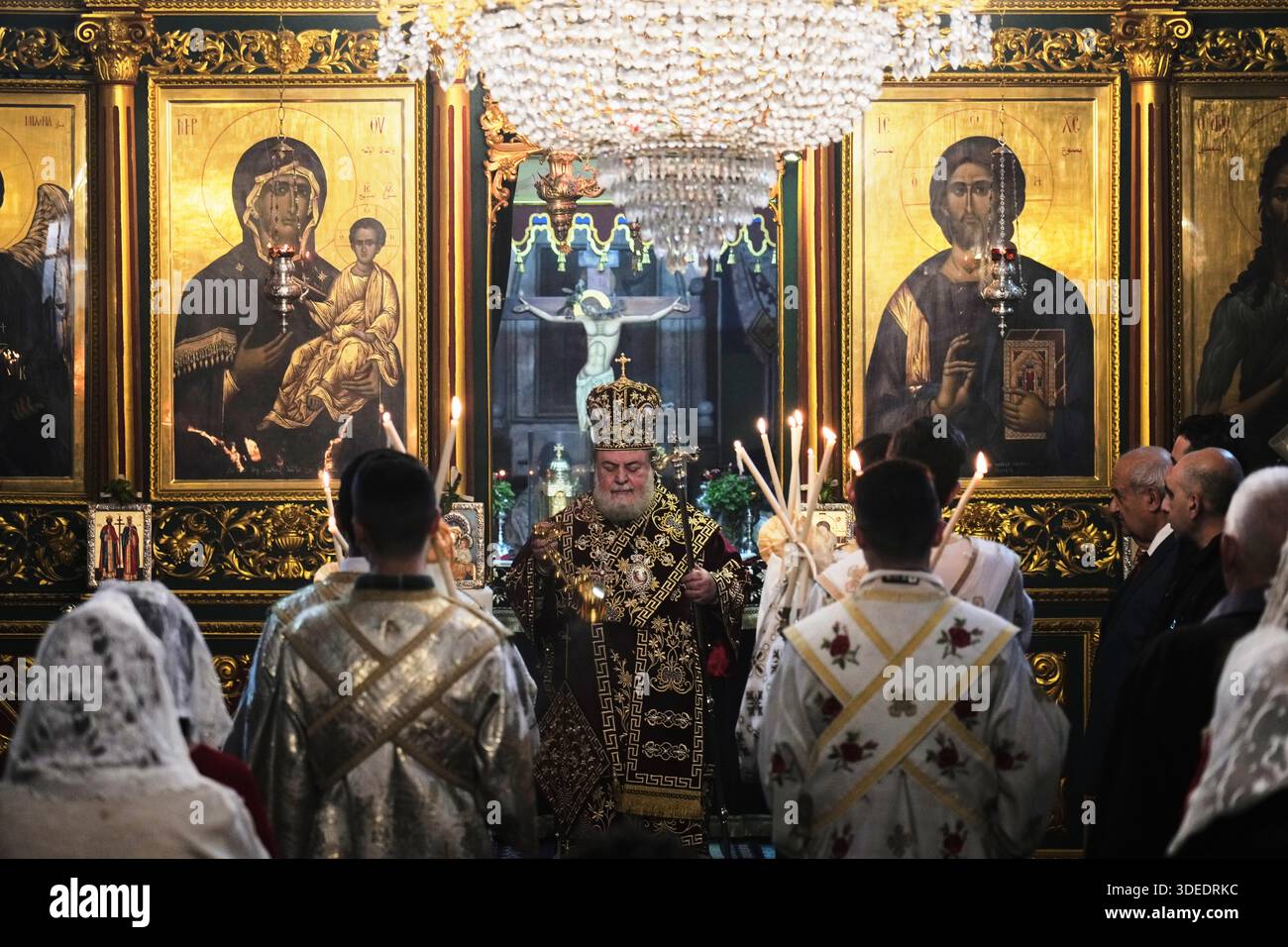
St. Clair church continues celebration of Orthodox Christmas on Jan. 7 ...
Source: republicanherald.com
Traditions That Make Orthodox Christmas 2026 Stand Out
Orthodox Christmas isn’t just about presents and Santa. It’s a deeply spiritual and community-centered event, richly woven with rituals you won’t find in your typical Western Christmas.
Fasting First — Then Feasting
In the weeks before January 7, believers fast rigorously—no meat, dairy, or oil in many cases. It’s a discipline that demands real grit and commitment. When the feast day finally arrives, the food tastes like freedom.
Unique Customs Around the World
- Russia: Families gather for a hearty meal after the Christmas Eve Liturgy, often featuring kutya—a wheat berry pudding sweetened with honey and fruit.
- Greece: They sing carols called kalanda, but with a twist—kids often carry triangles and drums instead of bells.
- Ethiopia: The celebration, known as Ganna, involves a special church service and a traditional game resembling hockey played on Christmas Day.
Practical Tips for Experiencing Orthodox Christmas 2026
If you’re planning to join in or simply want to understand better, here’s what you should know:
- Mark Your Calendar: January 7 is the day to watch, not December 25.
- Respect the Fast: If you’re invited to a feast, ask about dietary restrictions beforehand—many Orthodox believers observe a strict fast beforehand.
- Attend a Service: Midnight or early morning liturgies are central to the celebration. They’re often sung entirely in chant, creating a hauntingly beautiful atmosphere.
In real-world testing (when I attended a Serbian Orthodox Christmas in Chicago last year), the midnight service wasn’t just a ritual—it felt like stepping into a different time, suspended between faith and community.

📑 Quick Facts About Orthodox Christmas 2026
- Official Date: January 7, 2026 (Gregorian calendar)
- Calendar Used: Julian calendar
- Duration of Nativity Fast: 40 days
- Common Foods: Kutya, roasted meats, honey cakes
- Key Countries Celebrating: Russia, Greece, Serbia, Ethiopia, Egypt, and others

Frequently Asked Questions
Why does Orthodox Christmas fall on January 7 and not December 25?
Because many Orthodox churches use the Julian calendar, which is currently 13 days behind the Gregorian calendar. December 25 Julian equals January 7 Gregorian.
Do all Orthodox Christians celebrate Christmas on January 7?
Not all. Some Orthodox churches, like the ones in Finland and Greece, have adopted the Gregorian calendar and celebrate on December 25.
Is Orthodox Christmas more religious or cultural?
It’s deeply religious but also strongly cultural—with traditions and community events that have been passed down for centuries.
0 Response to "Orthodox Christmas 2026 Explained: When, How, and Why It’s Celebrated Differently"
Post a Comment