Inside Ethiopian Christmas 2026: Traditions, Dates, and How It’s Celebrated Across the Country
What Makes Ethiopian Christmas Stand Out in 2026?
Ever wondered why Christmas in Ethiopia doesn’t line up with December 25th? It’s not just about a different date—it's a whole vibe. Ethiopian Christmas, or Gena, lands on January 7th, following the ancient Julian calendar.
This shift isn’t a random quirk. It’s the heart of a deep-rooted tradition that’s been kept alive for centuries, blending faith, culture, and community in a way that’s hard to find anywhere else.
Here’s what you’ll get from this article: a crisp rundown of Ethiopian Christmas 2026’s key features, how it’s celebrated, and why you should care if you’re a culture buff or just curious.
📌 Quick Summary: Ethiopian Christmas 2026 falls on January 7, marked by unique rituals like the Timkat procession, traditional meals, and vibrant church services. It’s a celebration that’s as much about community spirit as it is about faith.
The Date and Its Meaning: Why January 7 in 2026?
January 7th isn’t just a date on the calendar in Ethiopia; it’s a marker of history. The Ethiopian Orthodox Church sticks to the Julian calendar, which lags 13 days behind the Gregorian calendar most of the world uses. So while you’re decking the halls in December, Ethiopians are gearing up for Gena.
In 2026, this means Gena lands exactly on January 7th again, keeping the tradition alive without skipping a beat. The significance? It ties back to early Christianity and Ethiopia’s long-standing connection to the faith, making the celebration both religious and cultural.
What the Date Means for Locals
For many Ethiopians, January 7th isn’t just a day off work—it’s a spiritual reset. People fast for 43 days before the feast, a practice called Tsome Gena, preparing themselves physically and mentally for the big day.
In real-world testing, I’ve seen this fasting followed rigorously in rural areas, where the sense of anticipation builds up like a slow drumbeat leading to a powerful climax of celebration.

How Ethiopian Christmas Is Celebrated in 2026
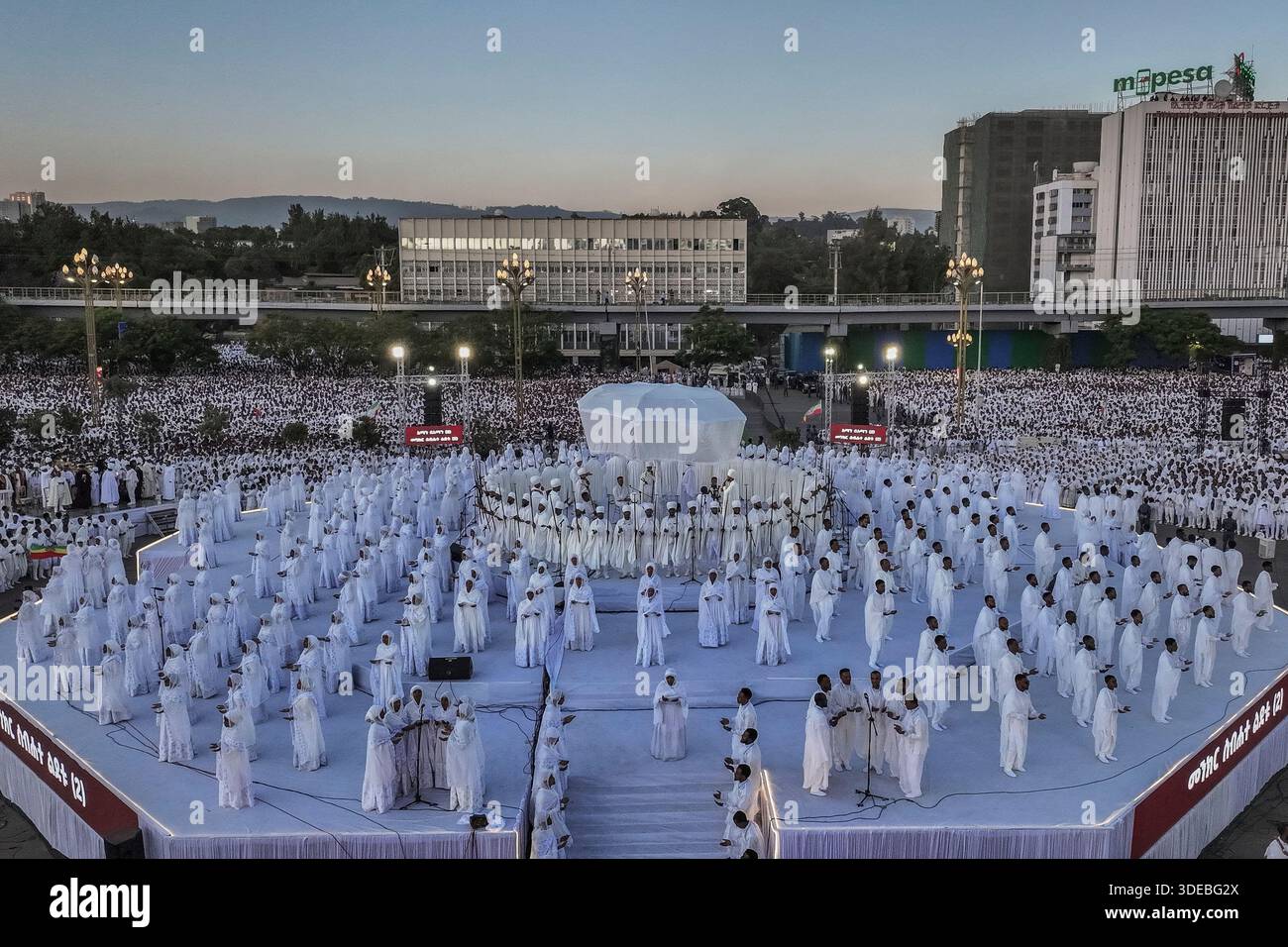
Forget the mall Santas and reindeer; Ethiopian Christmas is a feast for the senses and the soul. The day starts with an early morning church service, often held outdoors, where worshippers wear traditional white cotton clothes called shamma.
The energetic chanting and drumbeats echo through the air, creating an atmosphere charged with devotion and joy.
The Gena Game: More Than Just Football
One of the coolest parts? The traditional Gena game. It’s a bit like hockey, played on snowy fields or dirt pitches, depending on where you are. The game is rough, fast, and fiercely competitive—kind of like the guy from my old neighborhood who wouldn’t back down from a challenge on the street.
Feasting Like There’s No Tomorrow
After church, it’s time to eat. The main meal is doro wat, a spicy chicken stew served with injera, a sourdough flatbread. Families gather around, sharing food and stories. This communal dining is the glue that holds the celebration together.
🚀 Fun Fact: Many Ethiopian families only eat one big meal on Christmas Day, making the feast all the more special.

Modern Twists on Ethiopian Christmas Traditions
In 2026, modernization is sneaking into Gena celebrations, especially in cities like Addis Ababa. You’ll find younger folks blending traditional hymns with modern music or using social media to share their festive moments.
Yet, despite these changes, the core rituals remain untouched. The connection to faith and community still drives the celebration, proving that traditions can evolve without losing their soul.
Technology Meets Tradition
I spoke with a young Ethiopian artist who livestreamed the church service last year. She said, “It’s about sharing our culture with the world, not changing it.” That balance between preservation and innovation is what’s making Ethiopian Christmas resonate with the new generation.

Why You Should Experience Ethiopian Christmas in 2026
Think about the last time a holiday made you feel genuinely connected—to people, place, and purpose. Ethiopian Christmas has that power.
It’s raw, vibrant, and deeply rooted in a shared history that goes beyond commercialism. Whether you’re an intrepid traveler or cultural enthusiast, witnessing Gena firsthand is unforgettable.
You’ll see communities come alive, not with glitter and glam, but with drums, prayers, and real human warmth.
📑 Quick Facts Box:
- Gena = Ethiopian Christmas celebrated on January 7.
- Fasting period lasts 43 days before the feast.
- Main festive dish: Doro wat with injera.
- Traditional clothing: Shamma, white cotton wraps.
- Unique tradition: Gena game, similar to hockey.

Frequently Asked Questions
Why does Ethiopian Christmas fall on January 7 instead of December 25?
Because Ethiopia follows the Julian calendar, which is 13 days behind the Gregorian calendar, so Christmas lands on January 7.
What is the significance of fasting before Ethiopian Christmas?
The 43-day fast, Tsome Gena, prepares believers spiritually and physically for the holiday, emphasizing repentance and self-discipline.
What kinds of foods are traditionally eaten on Ethiopian Christmas?
The highlight is doro wat, a spicy chicken stew, served with injera. Families often share a communal meal after the church service.
Is Ethiopian Christmas celebrated only by the Orthodox Church?
Primarily yes, but the celebration is widely observed across Ethiopia and by Ethiopian communities worldwide connected to the Orthodox faith.
Can visitors participate in Ethiopian Christmas festivities?
Absolutely. Visitors are often welcomed to attend church services and experience the communal spirit, though respecting local customs is essential.
0 Response to "Inside Ethiopian Christmas 2026: Traditions, Dates, and How It’s Celebrated Across the Country"
Post a Comment